-
ProductsFocus on the development and manufacture of high temperature furnace monitoring and furnace thermal imager
-
IndustryFocus on the development and manufacture of high temperature furnace monitoring and furnace thermal imager
-
ApplicationsFocus on the development and manufacture of high temperature furnace monitoring and furnace thermal imager
-
-
BlogFocus on the development and manufacture of high temperature furnace monitoring and furnace thermal imager
-

-
Products
Focus on the development and manufacture of high temperature furnace monitoring and furnace thermal imager
Read More > -
Industry
Focus on the development and manufacture of high temperature furnace monitoring and furnace thermal imager
Read More > -
Applications
Focus on the development and manufacture of high temperature furnace monitoring and furnace thermal imager
Read More > -
About Us
Focus on the development and manufacture of high temperature furnace monitoring and furnace thermal imager
Read More > -
Blog
Focus on the development and manufacture of high temperature furnace monitoring and furnace thermal imager
Read More > -
Contact Us
Focus on the development and manufacture of high temperature furnace monitoring and furnace thermal imager
Read More >







Blog
Principle and Advantages of Kiln Thermal Analyzers
Summary: This article delves into the working principles of kiln thermal analyzers and their multiple advantages in modern industry, with a special emphasis on the importance of high-temperature monitoring cameras in the monitoring process. It helps you better understand the value of this high-tech equipment.
Principle and Advantages of Kiln Thermal Analyzers
In modern industry, high-temperature monitoring of kilns is crucial for ensuring production safety and improving product quality. Among various monitoring devices, kiln thermal analyzers, with their superior performance, are gradually becoming industry favorites. Today, let's discuss the principles and unique advantages of kiln thermal analyzers.
Working Principle of Kiln Thermal Analyzers
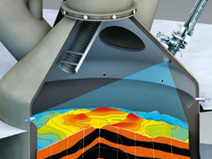
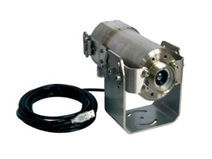
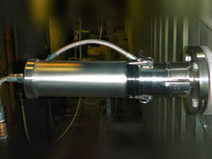
The core function of a kiln thermal analyzer is to monitor temperature changes within the kiln. Simply put, it collects data in real-time through a series of sensors and transmits the monitoring results to a computer or control system. In this way, both high-temperature monitoring cameras and other monitoring devices can provide managers with a comprehensive temperature change chart.
Interestingly, the design inspiration for kiln thermal analyzers comes from the biological sensing mechanisms in nature. Just as some animals can survive in high-temperature environments, this instrument can also work effectively under extreme conditions. It typically consists of a high-temperature sensor, a data processing unit, and a display system, offering not only high precision but also real-time feedback, allowing operators to grasp the kiln's status at any time.
Advantages of Kiln Thermal Analyzers
So, what are the advantages of kiln thermal analyzers? Let's explore them one by one.
1. High-Precision Monitoring
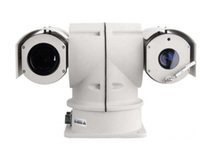
First, high-temperature monitoring cameras ensure the accuracy of monitoring. Compared with traditional temperature monitoring equipment, kiln thermal analyzers have higher measurement accuracy and can capture minute temperature fluctuations. This is undoubtedly a huge advantage for processes with extremely strict temperature requirements.
2. Real-time Data Feedback
Second, kiln thermal analyzers have the function of real-time data feedback. Through high-temperature monitoring cameras, managers can view the temperature status inside the kiln at any time, promptly identify potential problems, and take measures. This real-time capability not only improves production efficiency but also reduces safety hazards.
3. Remote Monitoring Capability
Furthermore, with the development of technology, kiln thermal analyzers also have remote monitoring capabilities. Using internet technology, operators can monitor the kiln's status in real-time from the office or other locations, which undoubtedly provides great convenience for daily management.
4. Saving Labor Costs
Finally, kiln thermal analyzers perform remarkably well in saving labor costs. Through automated monitoring systems, companies can reduce labor input and lower management costs. This not only improves work efficiency but also allows staff to focus more on other important tasks.
Summary
In summary, with their advantages of high-precision monitoring, real-time data feedback, remote monitoring capabilities, and labor cost savings, kiln thermal analyzers have become indispensable equipment in modern industry. They not only improve kiln safety but also ensure the production efficiency of enterprises.
Therefore, if you are still hesitating whether to introduce a kiln thermal analyzer, consider it carefully. It might be the key to improving your production level!
Contact Us
Fax: 0519-86692128
Address: No. 108 Taihu West Road, Xinbei District, Changzhou, Jiangsu
Copyright: Changzhou Rongbang Automation Equipment Co., Ltd.