-
ProductsFocus on the development and manufacture of high temperature furnace monitoring and furnace thermal imager
-
IndustryFocus on the development and manufacture of high temperature furnace monitoring and furnace thermal imager
-
ApplicationsFocus on the development and manufacture of high temperature furnace monitoring and furnace thermal imager
-
-
BlogFocus on the development and manufacture of high temperature furnace monitoring and furnace thermal imager
-

-
Products
Focus on the development and manufacture of high temperature furnace monitoring and furnace thermal imager
Read More > -
Industry
Focus on the development and manufacture of high temperature furnace monitoring and furnace thermal imager
Read More > -
Applications
Focus on the development and manufacture of high temperature furnace monitoring and furnace thermal imager
Read More > -
About Us
Focus on the development and manufacture of high temperature furnace monitoring and furnace thermal imager
Read More > -
Blog
Focus on the development and manufacture of high temperature furnace monitoring and furnace thermal imager
Read More > -
Contact Us
Focus on the development and manufacture of high temperature furnace monitoring and furnace thermal imager
Read More >






Blog
Advantages of using high-temperature monitoring cameras with infrared thermometers
Summary: The combined use of high-temperature monitoring cameras and infrared temperature measurement provides comprehensive and accurate monitoring and control in high-temperature environments. Through real-time monitoring and alarm functions, as well as data analysis and prediction, we can take timely measures to protect the safety of equipment and personnel, improve work efficiency, and reduce the occurrence of risks and losses.
Advantages of using high-temperature monitoring cameras with infrared temperature measurement
In modern society, high-temperature monitoring cameras and infrared temperature measurement are two common technologies used to monitor high-temperature environments. They each have unique functions and advantages, but when used together, they can more comprehensively and accurately monitor and control high-temperature environments. This article will explore the advantages of using high-temperature monitoring cameras with infrared temperature measurement.
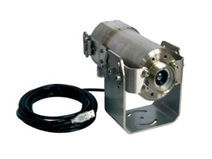
First, high-temperature monitoring cameras can provide comprehensive monitoring. By installing monitoring cameras in high-temperature locations, we can observe and monitor the situation in the high-temperature environment in real time. Whether in factory workshops or refineries, high-temperature cameras can capture problems such as temperature abnormalities and equipment failures, and issue timely alarms to allow for appropriate measures to be taken. This not only protects the safety of equipment and personnel, but also avoids potential accidents and losses.
Second, infrared temperature measurement technology can provide accurate temperature data. Using an infrared thermometer, we can quickly and accurately measure the temperature in high-temperature environments. Compared with traditional contact temperature measurement methods, infrared temperature measurement does not require contact with the measured object, reducing operational risks and improving measurement efficiency. Moreover, infrared temperature measurement technology can measure a wide range of temperatures, which is particularly important for high-temperature environments.
When high-temperature monitoring cameras and infrared temperature measurement are used together, they can leverage their respective advantages to further improve the effectiveness of monitoring and control. For example, after installing an infrared thermometer in a high-temperature location, the high-temperature monitoring camera can observe temperature abnormalities in real time and perform image analysis. If the temperature exceeds the safe range, the camera will automatically issue an alarm and transmit the relevant information to the monitoring center or management personnel. In this way, timely measures can be taken to lower the temperature to prevent accidents.
In addition to providing real-time monitoring and alarm functions, high-temperature monitoring cameras and infrared temperature measurement can also play a role in data analysis and prediction. By collecting and analyzing monitoring data, we can understand the temperature change trends in high-temperature environments, predict potential failures and risks, and take measures to prevent and respond to them. This data-based prediction and early warning system can greatly improve work efficiency and reduce human error and losses.
In summary, using high-temperature monitoring cameras with infrared temperature measurement has many advantages. By combining these two technologies, we can achieve more comprehensive and accurate monitoring and control of high-temperature environments. High-temperature monitoring cameras provide real-time monitoring and alarm functions, while infrared temperature measurement technology provides accurate temperature data. The combination of the two can not only promptly detect temperature abnormalities and equipment failures, but also take proactive measures through data analysis and prediction. This will improve work efficiency, reduce the risk of accidents and losses, and protect the safety of equipment and personnel.
In modern society, high-temperature monitoring cameras and infrared temperature measurement are two common technologies used to monitor high-temperature environments. They each have unique functions and advantages, but when used together, they can more comprehensively and accurately monitor and control high-temperature environments. This article will explore the advantages of using high-temperature monitoring cameras with infrared temperature measurement.
First, high-temperature monitoring cameras can provide comprehensive monitoring. By installing monitoring cameras in high-temperature locations, we can observe and monitor the situation in the high-temperature environment in real time. Whether in factory workshops or refineries, high-temperature cameras can capture problems such as temperature abnormalities and equipment failures, and issue timely alarms to allow for appropriate measures to be taken. This not only protects the safety of equipment and personnel, but also avoids potential accidents and losses.
Second, infrared temperature measurement technology can provide accurate temperature data. Using an infrared thermometer, we can quickly and accurately measure the temperature in high-temperature environments. Compared with traditional contact temperature measurement methods, infrared temperature measurement does not require contact with the measured object, reducing operational risks and improving measurement efficiency. Moreover, infrared temperature measurement technology can measure a wide range of temperatures, which is particularly important for high-temperature environments.
When high-temperature monitoring cameras and infrared temperature measurement are used together, they can leverage their respective advantages to further improve the effectiveness of monitoring and control. For example, after installing an infrared thermometer in a high-temperature location, the high-temperature monitoring camera can observe temperature abnormalities in real time and perform image analysis. If the temperature exceeds the safe range, the camera will automatically issue an alarm and transmit the relevant information to the monitoring center or management personnel. In this way, timely measures can be taken to lower the temperature to prevent accidents.
In addition to providing real-time monitoring and alarm functions, high-temperature monitoring cameras and infrared temperature measurement can also play a role in data analysis and prediction. By collecting and analyzing monitoring data, we can understand the temperature change trends in high-temperature environments, predict potential failures and risks, and take measures to prevent and respond to them. This data-based prediction and early warning system can greatly improve work efficiency and reduce human error and losses.
In summary, using high-temperature monitoring cameras with infrared temperature measurement has many advantages. By combining these two technologies, we can achieve more comprehensive and accurate monitoring and control of high-temperature environments. High-temperature monitoring cameras provide real-time monitoring and alarm functions, while infrared temperature measurement technology provides accurate temperature data. The combination of the two can not only promptly detect temperature abnormalities and equipment failures, but also take proactive measures through data analysis and prediction. This will improve work efficiency, reduce the risk of accidents and losses, and protect the safety of equipment and personnel.
Contact Us
Fax: 0519-86692128
Address: No. 108 Taihu West Road, Xinbei District, Changzhou, Jiangsu
Copyright: Changzhou Rongbang Automation Equipment Co., Ltd.