-
ProductsFocus on the development and manufacture of high temperature furnace monitoring and furnace thermal imager
-
IndustryFocus on the development and manufacture of high temperature furnace monitoring and furnace thermal imager
-
ApplicationsFocus on the development and manufacture of high temperature furnace monitoring and furnace thermal imager
-
-
BlogFocus on the development and manufacture of high temperature furnace monitoring and furnace thermal imager
-

-
Products
Focus on the development and manufacture of high temperature furnace monitoring and furnace thermal imager
Read More > -
Industry
Focus on the development and manufacture of high temperature furnace monitoring and furnace thermal imager
Read More > -
Applications
Focus on the development and manufacture of high temperature furnace monitoring and furnace thermal imager
Read More > -
About Us
Focus on the development and manufacture of high temperature furnace monitoring and furnace thermal imager
Read More > -
Blog
Focus on the development and manufacture of high temperature furnace monitoring and furnace thermal imager
Read More > -
Contact Us
Focus on the development and manufacture of high temperature furnace monitoring and furnace thermal imager
Read More >






Blog
High-Temperature Monitoring Cameras: Industry Applications and Technical Analysis
Summary: High-temperature monitoring cameras are surveillance devices specifically designed for high-temperature environments. They are widely used in the petroleum, chemical, steel, and cement industries. They utilize special materials and technologies to ensure normal operation in high-temperature settings, offering advantages such as high definition, high sensitivity, and high cost-effectiveness. Wireless transmission technology enables remote monitoring and management. High-temperature monitoring cameras make significant contributions to industrial development and safety.
High-temperature workplaces present significant challenges to work and life. For example, in industries such as oil refining, steel, and cement, high temperatures easily lead to equipment damage and accidents. This is where high-temperature monitoring cameras become particularly important.
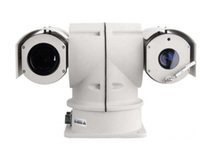
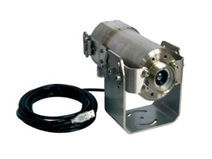
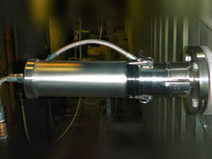
High-temperature monitoring cameras are surveillance devices specifically designed for high-temperature environments. They can operate normally in high-temperature conditions, providing real-time monitoring and recording of work areas, enabling the timely detection of anomalies and prompt responses. Currently, high-temperature monitoring cameras are widely used; let's examine their industry applications and technical analysis.
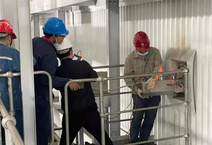
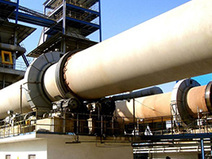
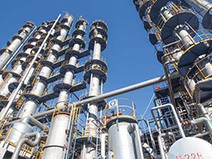
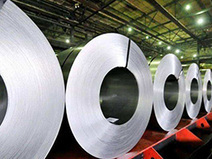
In the petrochemical industry, high-temperature monitoring cameras can monitor equipment such as refining towers, storage tanks, and oil and gas pipelines, promptly detecting leaks and safety hazards to prevent accidents. In the steel industry, they monitor blast furnaces, hot rolling mills, and other equipment, providing real-time monitoring of equipment operation in high-temperature environments to prevent overheating and water leaks. In the cement industry, they monitor kiln heads and tails, detecting internal temperature and airflow parameters to identify anomalies promptly.
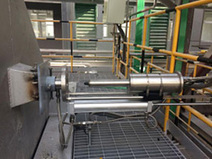
The technical analysis of high-temperature monitoring cameras includes the following aspects. First, they utilize special materials and technologies to function normally in high-temperature environments, ensuring long-term stability. Second, they offer advantages such as high definition, high sensitivity, and cost-effectiveness, meeting the monitoring needs of various industries. Third, they employ wireless transmission technology to transmit monitoring images in real-time to the monitoring center, facilitating remote monitoring and management by personnel.
In summary, high-temperature monitoring cameras are crucial surveillance devices with widespread applications. Their industry applications and technical analysis continue to evolve and improve, making significant contributions to industry development and safety.
Contact Us
Fax: 0519-86692128
Address: No. 108 Taihu West Road, Xinbei District, Changzhou, Jiangsu
Copyright: Changzhou Rongbang Automation Equipment Co., Ltd.