-
ProductsFocus on the development and manufacture of high temperature furnace monitoring and furnace thermal imager
-
IndustryFocus on the development and manufacture of high temperature furnace monitoring and furnace thermal imager
-
ApplicationsFocus on the development and manufacture of high temperature furnace monitoring and furnace thermal imager
-
-
BlogFocus on the development and manufacture of high temperature furnace monitoring and furnace thermal imager
-

-
Products
Focus on the development and manufacture of high temperature furnace monitoring and furnace thermal imager
Read More > -
Industry
Focus on the development and manufacture of high temperature furnace monitoring and furnace thermal imager
Read More > -
Applications
Focus on the development and manufacture of high temperature furnace monitoring and furnace thermal imager
Read More > -
About Us
Focus on the development and manufacture of high temperature furnace monitoring and furnace thermal imager
Read More > -
Blog
Focus on the development and manufacture of high temperature furnace monitoring and furnace thermal imager
Read More > -
Contact Us
Focus on the development and manufacture of high temperature furnace monitoring and furnace thermal imager
Read More >






Blog
Principle and Performance Analysis of High-Temperature Monitoring Cameras
Summary: High-temperature monitoring cameras are one of the important means for modern enterprises to carry out safety management. This article analyzes high-temperature monitoring cameras in detail from two aspects: principle and performance. It introduces the special performance that high-temperature monitoring cameras need to have and how to evaluate their performance.
Principle and Performance Analysis of High-Temperature Monitoring Cameras
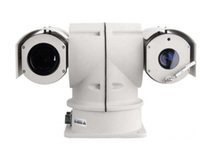
High-temperature monitoring is a critical field because many devices are prone to malfunction in high-temperature environments, potentially leading to serious incidents such as fires. To prevent such occurrences, many companies now utilize high-temperature monitoring cameras to monitor high-temperature environments. These cameras offer superior performance and adaptability compared to standard cameras. This article will provide a detailed analysis of the principles and performance of high-temperature monitoring cameras.
Principle of High-Temperature Monitoring Cameras
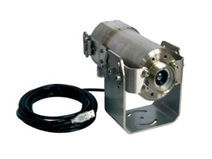
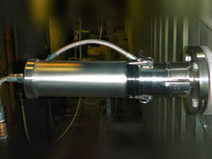
The principle of high-temperature monitoring cameras is similar to that of ordinary cameras. It converts scenes into electronic signals through optical lenses and image sensors, processes them into images via a signal processor, and finally outputs them to a monitor or video recorder. However, due to the unique conditions of high-temperature environments, high-temperature monitoring cameras require greater tolerance and stability.
Firstly, high-temperature monitoring cameras require the use of special materials for the optical lenses and image sensors. These materials maintain stable performance in high-temperature environments, preventing deformation or breakage due to heat. Secondly, high-temperature monitoring cameras employ special heat dissipation techniques to lower the internal temperature of the camera, ensuring its normal operation. Finally, high-temperature monitoring cameras must possess anti-interference capabilities to prevent electromagnetic interference from affecting them in high-temperature environments.
Performance Analysis of High-Temperature Monitoring Cameras
The performance of high-temperature monitoring cameras mainly includes the following aspects:
1. Resolution
The higher the resolution of a high-temperature monitoring camera, the clearer the captured image and the richer the details. Generally, high-temperature monitoring cameras need to achieve 720P or higher resolution to meet practical needs.
2. Sensitivity
The sensitivity of a high-temperature monitoring camera determines its ability to function in low-light environments. High-temperature environments often have insufficient light; therefore, high-temperature monitoring cameras require high sensitivity to operate normally in low-light conditions.
3. Dynamic Range
High-temperature environments often exhibit alternating light and dark conditions. Therefore, high-temperature monitoring cameras need a high dynamic range to handle scenes with significant brightness differences.
4. Color Reproduction
The color reproduction of a high-temperature monitoring camera determines its ability to reproduce true colors. High-temperature environments often lead to color loss; therefore, high-temperature monitoring cameras need good color reproduction to accurately represent colors.
In summary, high-temperature monitoring cameras need high resolution, high sensitivity, a high dynamic range, and good color reproduction to meet practical requirements.
High-temperature monitoring is a critical field because many devices are prone to malfunction in high-temperature environments, potentially leading to serious incidents such as fires. To prevent such occurrences, many companies now utilize high-temperature monitoring cameras to monitor high-temperature environments. These cameras offer superior performance and adaptability compared to standard cameras. This article will provide a detailed analysis of the principles and performance of high-temperature monitoring cameras.
Principle of High-Temperature Monitoring Cameras
The principle of high-temperature monitoring cameras is similar to that of ordinary cameras. It converts scenes into electronic signals through optical lenses and image sensors, processes them into images via a signal processor, and finally outputs them to a monitor or video recorder. However, due to the unique conditions of high-temperature environments, high-temperature monitoring cameras require greater tolerance and stability.
Firstly, high-temperature monitoring cameras require the use of special materials for the optical lenses and image sensors. These materials maintain stable performance in high-temperature environments, preventing deformation or breakage due to heat. Secondly, high-temperature monitoring cameras employ special heat dissipation techniques to lower the internal temperature of the camera, ensuring its normal operation. Finally, high-temperature monitoring cameras must possess anti-interference capabilities to prevent electromagnetic interference from affecting them in high-temperature environments.
Performance Analysis of High-Temperature Monitoring Cameras
The performance of high-temperature monitoring cameras mainly includes the following aspects:
1. Resolution
The higher the resolution of a high-temperature monitoring camera, the clearer the captured image and the richer the details. Generally, high-temperature monitoring cameras need to achieve 720P or higher resolution to meet practical needs.
2. Sensitivity
The sensitivity of a high-temperature monitoring camera determines its ability to function in low-light environments. High-temperature environments often have insufficient light; therefore, high-temperature monitoring cameras require high sensitivity to operate normally in low-light conditions.
3. Dynamic Range
High-temperature environments often exhibit alternating light and dark conditions. Therefore, high-temperature monitoring cameras need a high dynamic range to handle scenes with significant brightness differences.
4. Color Reproduction
The color reproduction of a high-temperature monitoring camera determines its ability to reproduce true colors. High-temperature environments often lead to color loss; therefore, high-temperature monitoring cameras need good color reproduction to accurately represent colors.
In summary, high-temperature monitoring cameras need high resolution, high sensitivity, a high dynamic range, and good color reproduction to meet practical requirements.
Contact Us
Fax: 0519-86692128
Address: No. 108 Taihu West Road, Xinbei District, Changzhou, Jiangsu
Copyright: Changzhou Rongbang Automation Equipment Co., Ltd.