-
ProductsFocus on the development and manufacture of high temperature furnace monitoring and furnace thermal imager
-
IndustryFocus on the development and manufacture of high temperature furnace monitoring and furnace thermal imager
-
ApplicationsFocus on the development and manufacture of high temperature furnace monitoring and furnace thermal imager
-
-
BlogFocus on the development and manufacture of high temperature furnace monitoring and furnace thermal imager
-

-
Products
Focus on the development and manufacture of high temperature furnace monitoring and furnace thermal imager
Read More > -
Industry
Focus on the development and manufacture of high temperature furnace monitoring and furnace thermal imager
Read More > -
Applications
Focus on the development and manufacture of high temperature furnace monitoring and furnace thermal imager
Read More > -
About Us
Focus on the development and manufacture of high temperature furnace monitoring and furnace thermal imager
Read More > -
Blog
Focus on the development and manufacture of high temperature furnace monitoring and furnace thermal imager
Read More > -
Contact Us
Focus on the development and manufacture of high temperature furnace monitoring and furnace thermal imager
Read More >






Blog
Body scanner: intelligent monitoring solution in the glass industry
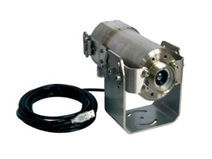
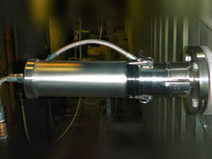
Summary: In the glass industry, high-temperature cameras are a key component of gob scanners. They can operate normally in extreme high-temperature environments and provide accurate monitoring data and images. High-temperature cameras can monitor temperature changes in real time, detect defects and flaws on the glass surface, and support remote monitoring. Their application helps glass manufacturers improve production efficiency and quality, ensuring the stability and safety of the production process.
In the glass industry, body scanners are a widely used intelligent monitoring solution. High-temperature cameras play a crucial role in this solution. They not only provide accurate monitoring data but also maintain high-quality images in extreme high-temperature environments.
Smart glass manufacturers have long recognized the importance of high-temperature cameras. These cameras can withstand high-temperature environments, such as the glass melting process, without damage. This is because they utilize special materials and technologies to protect themselves and ensure continuous high-quality image output.
In addition to their high-temperature resistance, high-temperature cameras offer other key features. First, they can monitor temperature changes in the glass production process in real time. Operators can use the cameras to detect temperature anomalies promptly and take appropriate measures to prevent potential production problems.
Second, high-temperature cameras can be used to detect defects and flaws on the glass surface. Using high-definition images and advanced image processing algorithms, they accurately capture subtle changes on the glass surface, including burrs, cracks, and bubbles. This helps to identify problems early and make adjustments and improvements during production.
Furthermore, high-temperature cameras provide remote monitoring capabilities. Through network connectivity, operators can remotely access images and data from the cameras, allowing them to understand the status and progress of glass production regardless of their location. This significantly improves production flexibility and efficiency.
In summary, as a key component of body scanners, high-temperature cameras play a significant role in the glass industry. They not only function normally in high-temperature environments but also provide accurate monitoring data and images, helping manufacturers identify and solve problems promptly, thereby improving production efficiency and quality.
Contact Us
Fax: 0519-86692128
Address: No. 108 Taihu West Road, Xinbei District, Changzhou, Jiangsu
Copyright: Changzhou Rongbang Automation Equipment Co., Ltd.