-
ProductsFocus on the development and manufacture of high temperature furnace monitoring and furnace thermal imager
-
IndustryFocus on the development and manufacture of high temperature furnace monitoring and furnace thermal imager
-
ApplicationsFocus on the development and manufacture of high temperature furnace monitoring and furnace thermal imager
-
-
BlogFocus on the development and manufacture of high temperature furnace monitoring and furnace thermal imager
-

-
Products
Focus on the development and manufacture of high temperature furnace monitoring and furnace thermal imager
Read More > -
Industry
Focus on the development and manufacture of high temperature furnace monitoring and furnace thermal imager
Read More > -
Applications
Focus on the development and manufacture of high temperature furnace monitoring and furnace thermal imager
Read More > -
About Us
Focus on the development and manufacture of high temperature furnace monitoring and furnace thermal imager
Read More > -
Blog
Focus on the development and manufacture of high temperature furnace monitoring and furnace thermal imager
Read More > -
Contact Us
Focus on the development and manufacture of high temperature furnace monitoring and furnace thermal imager
Read More >






Blog
Boiler Fouling Detector: A Key Equipment for Improving Chemical Processes
Summary: High-temperature cameras have a wide range of applications in chemical engineering, including boiler fouling detection and early warning, process parameter optimization, and product quality improvement. In the future, high-temperature cameras will have even broader development prospects in the chemical industry.
High-temperature cameras play a vital role in chemical processes. As a key component of boiler fouling detectors, they not only enhance process efficiency but also effectively reduce production costs. This article will introduce the working principle and advantages of high-temperature cameras and discuss their applications in the chemical industry.
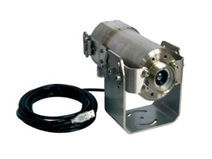
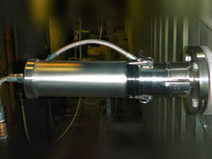
A high-temperature camera is a type of imaging device that can operate normally in extremely high-temperature environments. It employs advanced heat conduction and cooling technologies, capable of withstanding temperatures up to 2000 degrees Celsius. Through high-resolution image sensors and special lenses, high-temperature cameras can monitor and record the temperature and fouling conditions inside the boiler in real-time, providing operators with accurate data and images.
In chemical processes, boiler fouling is a common problem. Fouling leads to a decrease in boiler heat transfer efficiency, affecting process stability and production efficiency. Traditional fouling detection methods are often inaccurate and untimely, while high-temperature cameras can monitor the fouling conditions inside the boiler in real-time, allowing for timely problem detection and resolution.
High-temperature cameras offer the following advantages:
1. High Precision: High-temperature cameras utilize advanced image sensors and image processing algorithms to provide high-precision temperature measurement and fouling detection results.
2. Real-time Monitoring: High-temperature cameras can monitor the temperature and fouling conditions inside the boiler in real-time, allowing operators to take timely measures to prevent further fouling problems.
3. High Reliability: High-temperature cameras are manufactured using high-temperature resistant materials and special processes, ensuring high reliability and a long lifespan, enabling stable operation in harsh environments.
4. Data Recording and Analysis: High-temperature cameras can record and store the temperature and fouling data from inside the boiler, providing references for process optimization and fault analysis.
High-temperature cameras have a wide range of applications in chemical processes. They can be used for boiler fouling detection and early warning, promptly identifying fouling problems inside the boiler; they can also be used for process optimization, optimizing boiler operating parameters to improve process efficiency and product quality through monitoring and analysis of temperature distribution.
In summary, as a key component of boiler fouling detectors, high-temperature cameras play a significant role in chemical processes. Their high precision, real-time monitoring, high reliability, and data recording and analysis capabilities enhance the efficiency and stability of chemical processes. In the future, with continuous technological advancements, high-temperature cameras will have even broader application prospects.
Introduction: High-temperature cameras, as key components of boiler fouling detectors, play a significant role in chemical processes. This article will introduce the working principle and advantages of high-temperature cameras and discuss their applications in the chemical industry. High-temperature cameras can monitor and record the temperature and fouling conditions inside the boiler in real-time, providing accurate data and images for timely decision-making support for operators. Through high-precision temperature measurement and fouling detection, high-temperature cameras can improve process efficiency, reduce production costs, and are indispensable key equipment in chemical processes.
A high-temperature camera is a type of imaging device that can operate normally in extremely high-temperature environments. It employs advanced heat conduction and cooling technologies, capable of withstanding temperatures up to 2000 degrees Celsius. Through high-resolution image sensors and special lenses, high-temperature cameras can monitor and record the temperature and fouling conditions inside the boiler in real-time, providing operators with accurate data and images.
In chemical processes, boiler fouling is a common problem. Fouling leads to a decrease in boiler heat transfer efficiency, affecting process stability and production efficiency. Traditional fouling detection methods are often inaccurate and untimely, while high-temperature cameras can monitor the fouling conditions inside the boiler in real-time, allowing for timely problem detection and resolution.
High-temperature cameras offer the following advantages:
1. High Precision: High-temperature cameras utilize advanced image sensors and image processing algorithms to provide high-precision temperature measurement and fouling detection results.
2. Real-time Monitoring: High-temperature cameras can monitor the temperature and fouling conditions inside the boiler in real-time, allowing operators to take timely measures to prevent further fouling problems.
3. High Reliability: High-temperature cameras are manufactured using high-temperature resistant materials and special processes, ensuring high reliability and a long lifespan, enabling stable operation in harsh environments.
4. Data Recording and Analysis: High-temperature cameras can record and store the temperature and fouling data from inside the boiler, providing references for process optimization and fault analysis.
High-temperature cameras have a wide range of applications in chemical processes. They can be used for boiler fouling detection and early warning, promptly identifying fouling problems inside the boiler; they can also be used for process optimization, optimizing boiler operating parameters to improve process efficiency and product quality through monitoring and analysis of temperature distribution.
In summary, as a key component of boiler fouling detectors, high-temperature cameras play a significant role in chemical processes. Their high precision, real-time monitoring, high reliability, and data recording and analysis capabilities enhance the efficiency and stability of chemical processes. In the future, with continuous technological advancements, high-temperature cameras will have even broader application prospects.
Introduction: High-temperature cameras, as key components of boiler fouling detectors, play a significant role in chemical processes. This article will introduce the working principle and advantages of high-temperature cameras and discuss their applications in the chemical industry. High-temperature cameras can monitor and record the temperature and fouling conditions inside the boiler in real-time, providing accurate data and images for timely decision-making support for operators. Through high-precision temperature measurement and fouling detection, high-temperature cameras can improve process efficiency, reduce production costs, and are indispensable key equipment in chemical processes.
Contact Us
Fax: 0519-86692128
Address: No. 108 Taihu West Road, Xinbei District, Changzhou, Jiangsu
Copyright: Changzhou Rongbang Automation Equipment Co., Ltd.