-
ProductsFocus on the development and manufacture of high temperature furnace monitoring and furnace thermal imager
-
IndustryFocus on the development and manufacture of high temperature furnace monitoring and furnace thermal imager
-
ApplicationsFocus on the development and manufacture of high temperature furnace monitoring and furnace thermal imager
-
-
BlogFocus on the development and manufacture of high temperature furnace monitoring and furnace thermal imager
-

-
Products
Focus on the development and manufacture of high temperature furnace monitoring and furnace thermal imager
Read More > -
Industry
Focus on the development and manufacture of high temperature furnace monitoring and furnace thermal imager
Read More > -
Applications
Focus on the development and manufacture of high temperature furnace monitoring and furnace thermal imager
Read More > -
About Us
Focus on the development and manufacture of high temperature furnace monitoring and furnace thermal imager
Read More > -
Blog
Focus on the development and manufacture of high temperature furnace monitoring and furnace thermal imager
Read More > -
Contact Us
Focus on the development and manufacture of high temperature furnace monitoring and furnace thermal imager
Read More >






Blog
High-temperature industrial cameras: Successful case studies in the cement industry
Summary: The application of high-temperature cameras in the cement industry has achieved great success. This article will share some successful cases and discuss the importance and advantages of high-temperature cameras in the cement production process. By using high-temperature cameras, cement companies can monitor and control temperature and other key parameters in the production process in real time, improving production efficiency, reducing energy consumption, and reducing the risk of production accidents. Let's take a look at these exciting cases and gain a deeper understanding of the application value of high-temperature cameras.
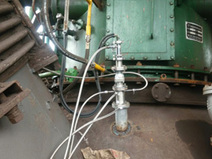
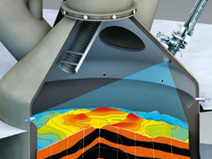
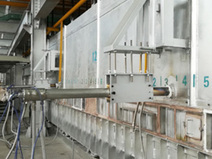
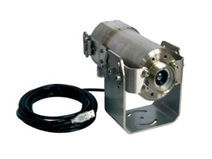
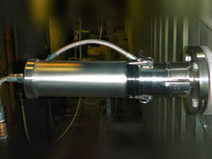
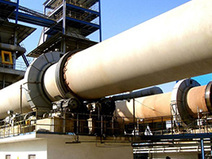
Firstly, high-temperature cameras enable real-time monitoring of the temperature of production equipment. By installing cameras in key locations such as high-temperature kilns and chimneys, real-time monitoring of equipment temperature changes is possible, with data transmitted to a monitoring center. This provides operators with accurate temperature information, enabling them to take timely measures to prevent overheating or excessive temperature fluctuations.
Secondly, high-temperature cameras can also monitor other key parameters in the production process. For example, cameras can detect the combustion status within cement kilns and the spraying conditions of coal powder nozzles. This data is crucial for the management and control of cement production, helping companies improve production efficiency and reduce energy consumption.
In addition to real-time monitoring, high-temperature cameras can also record and store video. This is very helpful for troubleshooting and accident analysis during the production process. In case of anomalies, operators can replay the recordings to understand what happened and take appropriate measures.
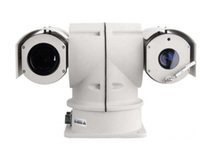
In the cement industry, the application of high-temperature cameras has yielded successful cases. For example, a cement producer installed high-temperature cameras to monitor temperature changes within kilns. Through real-time monitoring and data analysis, they successfully reduced energy consumption and improved production efficiency. Furthermore, they utilized the camera's recording function for fault analysis, promptly addressing potential issues and preventing production accidents.
In summary, the application of high-temperature cameras in the cement industry has been highly successful. Through real-time temperature monitoring and control, as well as monitoring other key parameters, cement companies can improve production efficiency, reduce energy consumption, and minimize the risk of production accidents. The application prospects of high-temperature cameras are very broad, and it is believed that more companies will choose to use high-temperature cameras to improve their production processes in the future.
Introduction: This article shares successful application cases of high-temperature cameras in the cement industry and discusses their importance and advantages in the production process. Through real-time temperature monitoring and control, as well as monitoring other key parameters, cement companies can improve production efficiency, reduce energy consumption, and reduce the risk of production accidents. The application of high-temperature cameras has brought significant improvements and development opportunities to the cement industry.
Contact Us
Fax: 0519-86692128
Address: No. 108 Taihu West Road, Xinbei District, Changzhou, Jiangsu
Copyright: Changzhou Rongbang Automation Equipment Co., Ltd.