-
ProductsFocus on the development and manufacture of high temperature furnace monitoring and furnace thermal imager
-
IndustryFocus on the development and manufacture of high temperature furnace monitoring and furnace thermal imager
-
ApplicationsFocus on the development and manufacture of high temperature furnace monitoring and furnace thermal imager
-
-
BlogFocus on the development and manufacture of high temperature furnace monitoring and furnace thermal imager
-

-
Products
Focus on the development and manufacture of high temperature furnace monitoring and furnace thermal imager
Read More > -
Industry
Focus on the development and manufacture of high temperature furnace monitoring and furnace thermal imager
Read More > -
Applications
Focus on the development and manufacture of high temperature furnace monitoring and furnace thermal imager
Read More > -
About Us
Focus on the development and manufacture of high temperature furnace monitoring and furnace thermal imager
Read More > -
Blog
Focus on the development and manufacture of high temperature furnace monitoring and furnace thermal imager
Read More > -
Contact Us
Focus on the development and manufacture of high temperature furnace monitoring and furnace thermal imager
Read More >







Blog
Essential for the Glass Industry: Working Principle of Infrared Thermometry Systems
Summary: Article Introduction: Explore the working principle of the essential infrared temperature measurement system in the glass industry—the gob scanner. Learn how to measure the temperature changes of glass through infrared radiation and how to apply this technology to improve the stability and quality of the production process.
Essential for the Glass Industry: The Working Principle of Infrared Thermometry Systems
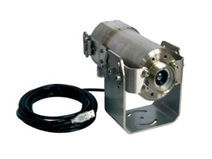
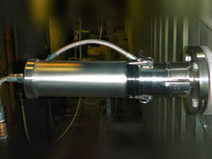
In today's glass industry, infrared thermometry systems have become an indispensable technology. This advanced equipment can non-contact measure the temperature of objects through infrared radiation, providing important data support for the glass industry. One common infrared thermometry system is the gob scanner, which measures and displays temperature changes in real-time by scanning the infrared radiation from the surface of the glass gob, ensuring the stability and quality of the production process.
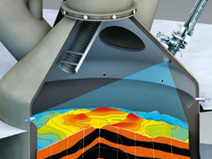
The working principle of the gob scanner is very precise and efficient. It utilizes the phenomenon of thermal radiation, that is, as the temperature of an object increases, it emits infrared radiation. This infrared radiation generates an electrical signal on the detector of the infrared thermometry system, which is then processed and converted into a temperature value. The gob scanner measures the temperature at each location in real-time by moving the detector along the surface of the glass gob and displays the data on the screen.
Through the gob scanner, the glass industry can monitor the temperature changes of the glass gob in real-time and take timely measures to adjust the production process. This is crucial for ensuring the quality and stability of the glass. For example, during the glass forming process, the gob scanner can detect abnormal temperature conditions, such as overheating or overcooling, to prevent the glass from producing bubbles or deformation. In addition, the gob scanner can also be used to detect the temperature distribution on the glass surface to optimize the cooling process and improve the quality and appearance of the glass.
The application of gob scanners in the glass industry goes beyond this. It can also be used to detect the temperature of glass furnaces to ensure that the glass components inside the furnace reach the ideal state. In addition, the gob scanner can also detect the temperature of other glass products such as glass laminates and glass fibers to ensure production process control and quality stability.
In general, as an important technology in the glass industry, the gob scanner, through the infrared thermometry system, monitors and controls the temperature of the glass gob in real-time, improving the stability of the production process and the quality of the products. Its wide range of applications and significant effects are worthy of attention and adoption by the glass industry.
In today's glass industry, infrared thermometry systems have become an indispensable technology. This advanced equipment can non-contact measure the temperature of objects through infrared radiation, providing important data support for the glass industry. One common infrared thermometry system is the gob scanner, which measures and displays temperature changes in real-time by scanning the infrared radiation from the surface of the glass gob, ensuring the stability and quality of the production process.
The working principle of the gob scanner is very precise and efficient. It utilizes the phenomenon of thermal radiation, that is, as the temperature of an object increases, it emits infrared radiation. This infrared radiation generates an electrical signal on the detector of the infrared thermometry system, which is then processed and converted into a temperature value. The gob scanner measures the temperature at each location in real-time by moving the detector along the surface of the glass gob and displays the data on the screen.
Through the gob scanner, the glass industry can monitor the temperature changes of the glass gob in real-time and take timely measures to adjust the production process. This is crucial for ensuring the quality and stability of the glass. For example, during the glass forming process, the gob scanner can detect abnormal temperature conditions, such as overheating or overcooling, to prevent the glass from producing bubbles or deformation. In addition, the gob scanner can also be used to detect the temperature distribution on the glass surface to optimize the cooling process and improve the quality and appearance of the glass.
The application of gob scanners in the glass industry goes beyond this. It can also be used to detect the temperature of glass furnaces to ensure that the glass components inside the furnace reach the ideal state. In addition, the gob scanner can also detect the temperature of other glass products such as glass laminates and glass fibers to ensure production process control and quality stability.
In general, as an important technology in the glass industry, the gob scanner, through the infrared thermometry system, monitors and controls the temperature of the glass gob in real-time, improving the stability of the production process and the quality of the products. Its wide range of applications and significant effects are worthy of attention and adoption by the glass industry.
Contact Us
Fax: 0519-86692128
Address: No. 108 Taihu West Road, Xinbei District, Changzhou, Jiangsu
Copyright: Changzhou Rongbang Automation Equipment Co., Ltd.