-
ProductsFocus on the development and manufacture of high temperature furnace monitoring and furnace thermal imager
-
IndustryFocus on the development and manufacture of high temperature furnace monitoring and furnace thermal imager
-
ApplicationsFocus on the development and manufacture of high temperature furnace monitoring and furnace thermal imager
-
-
BlogFocus on the development and manufacture of high temperature furnace monitoring and furnace thermal imager
-

-
Products
Focus on the development and manufacture of high temperature furnace monitoring and furnace thermal imager
Read More > -
Industry
Focus on the development and manufacture of high temperature furnace monitoring and furnace thermal imager
Read More > -
Applications
Focus on the development and manufacture of high temperature furnace monitoring and furnace thermal imager
Read More > -
About Us
Focus on the development and manufacture of high temperature furnace monitoring and furnace thermal imager
Read More > -
Blog
Focus on the development and manufacture of high temperature furnace monitoring and furnace thermal imager
Read More > -
Contact Us
Focus on the development and manufacture of high temperature furnace monitoring and furnace thermal imager
Read More >






Blog
Metallurgy Industry Solution: Usage Tips for Kiln Thermal Analyzers
Summary: Metallurgy Industry Solution: Usage Tips for Kiln Thermal Analyzers
Metallurgy Industry Solutions: Usage Tips for Kiln Thermal Analyzers
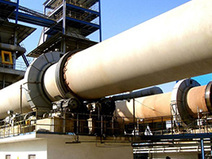
In the metallurgy industry, kiln thermal analyzers are crucial pieces of equipment. By measuring and analyzing the heat distribution within kilns, they help metallurgical engineers optimize kiln operation, improving production efficiency and quality. This article will introduce usage tips for kiln thermal analyzers, helping you better apply them in actual production.
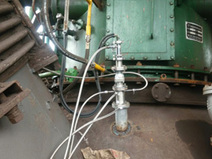
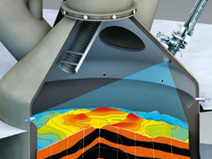
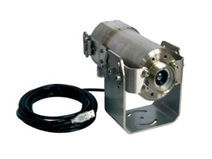
First, understanding the principles and operating methods of kiln thermal analyzers is essential. Kiln thermal analyzers use infrared technology to measure the temperature distribution at different locations within the kiln. It converts the collected data into images, visually displaying the heat distribution within the kiln. By analyzing this data, metallurgical engineers can understand the kiln's operating status and take timely measures for adjustment and optimization.
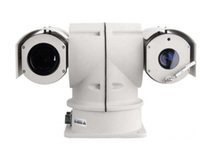
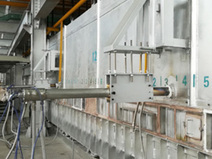
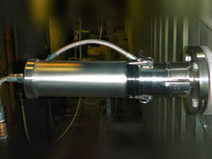
Second, correct installation and calibration of the kiln thermal analyzer are also crucial. During installation, ensure the instrument maintains good contact with the kiln and is in a stable position. During calibration, follow the instrument's instructions to ensure the accuracy and reliability of the measurement results. Only with correct installation and calibration can the kiln thermal analyzer perform optimally.
Additionally, rationally selecting the analyzer's detection parameters is very important. Based on the actual kiln conditions, different detection parameters can be selected for heat analysis. Generally, temperature is the most basic and important parameter, helping metallurgical engineers understand the temperature distribution at different locations within the kiln. Furthermore, other parameters such as heat flux density and thermal radiation intensity can be selected for a more comprehensive understanding of the kiln's heat distribution.
When actually using a kiln thermal analyzer, some tips and precautions should be noted. First, regularly inspect and maintain the instrument to ensure its normal operation. Second, flexibly adjust the instrument's parameter settings according to the actual kiln conditions to obtain more accurate data and clearer images. Furthermore, combined analysis and judgment can be performed with other monitoring equipment, such as thermometers and pressure gauges.
In summary, kiln thermal analyzers have significant application value in the metallurgy industry. By understanding their principles and operating methods, performing correct installation and calibration, rationally selecting detection parameters, and paying attention to usage tips and precautions, we can better utilize kiln thermal analyzers, optimize kiln operation, and improve production efficiency and quality.
[Article Summary]
Kiln thermal analyzers are important equipment in the metallurgy industry. They measure and analyze heat distribution in kilns, optimizing kiln operation and improving production efficiency and quality. This article introduces usage tips for kiln thermal analyzers to help metallurgical engineers better apply them in actual production.
In the metallurgy industry, kiln thermal analyzers are crucial pieces of equipment. By measuring and analyzing the heat distribution within kilns, they help metallurgical engineers optimize kiln operation, improving production efficiency and quality. This article will introduce usage tips for kiln thermal analyzers, helping you better apply them in actual production.
First, understanding the principles and operating methods of kiln thermal analyzers is essential. Kiln thermal analyzers use infrared technology to measure the temperature distribution at different locations within the kiln. It converts the collected data into images, visually displaying the heat distribution within the kiln. By analyzing this data, metallurgical engineers can understand the kiln's operating status and take timely measures for adjustment and optimization.
Second, correct installation and calibration of the kiln thermal analyzer are also crucial. During installation, ensure the instrument maintains good contact with the kiln and is in a stable position. During calibration, follow the instrument's instructions to ensure the accuracy and reliability of the measurement results. Only with correct installation and calibration can the kiln thermal analyzer perform optimally.
Additionally, rationally selecting the analyzer's detection parameters is very important. Based on the actual kiln conditions, different detection parameters can be selected for heat analysis. Generally, temperature is the most basic and important parameter, helping metallurgical engineers understand the temperature distribution at different locations within the kiln. Furthermore, other parameters such as heat flux density and thermal radiation intensity can be selected for a more comprehensive understanding of the kiln's heat distribution.
When actually using a kiln thermal analyzer, some tips and precautions should be noted. First, regularly inspect and maintain the instrument to ensure its normal operation. Second, flexibly adjust the instrument's parameter settings according to the actual kiln conditions to obtain more accurate data and clearer images. Furthermore, combined analysis and judgment can be performed with other monitoring equipment, such as thermometers and pressure gauges.
In summary, kiln thermal analyzers have significant application value in the metallurgy industry. By understanding their principles and operating methods, performing correct installation and calibration, rationally selecting detection parameters, and paying attention to usage tips and precautions, we can better utilize kiln thermal analyzers, optimize kiln operation, and improve production efficiency and quality.
[Article Summary]
Kiln thermal analyzers are important equipment in the metallurgy industry. They measure and analyze heat distribution in kilns, optimizing kiln operation and improving production efficiency and quality. This article introduces usage tips for kiln thermal analyzers to help metallurgical engineers better apply them in actual production.
Contact Us
Fax: 0519-86692128
Address: No. 108 Taihu West Road, Xinbei District, Changzhou, Jiangsu
Copyright: Changzhou Rongbang Automation Equipment Co., Ltd.